

Explore our ready-to-brand high-performance OEM/ODM product lines. Formulated under strict GMP standards, available for rapid custom scaling, private packaging, and international export.

The global oral care landscape is undergoing a monumental shift driven by changing consumer behaviors, technological breakthroughs in active dental chemistry, and stringent regulatory demands. Today’s global buyers, cosmetic brand executives, and pharmacy procurement leads no longer look for simple abrasive cleaners. The market demands non-invasive enamel whitening, bio-active remineralization, zero dentin sensitivity, and clean-label ingredient integrity. As a premier China OEM whitening toothpaste manufacturer, our manufacturing ecosystem blends advanced R&D with industrial scale, serving brand owners across North America, Europe, the Middle East, and Southeast Asia.
Navigating contract manufacturing in China requires an in-depth understanding of formulation chemistry, Relative Dentine Abrasivity (RDA) thresholds, packaging barrier technology, and international compliance architectures (including US FDA OTC monographs, EU Cosmetic Regulation EC 1223/2009, and JAKIM/MUI Halal protocols). This guide outlines the engineering principles, supply chain logistics, and market trends essential for launching market-leading private label whitening toothpaste lines.
Formulating with non-peroxide oxidizers like PAP+ (Phthalimidoperoxycaproic Acid), Nano-Hydroxyapatite (nHAp) for structural enamel repair, and micro-encapsulated enzymes for stain degradation without dentin erosion.
Full regulatory documentation support: COA, MSDS, Stability Reports, FDA OTC Registration, EU CPNP dossiers, SEDEX/SMETA ethical audit alignment, and JAKIM/MUI Halal verification.
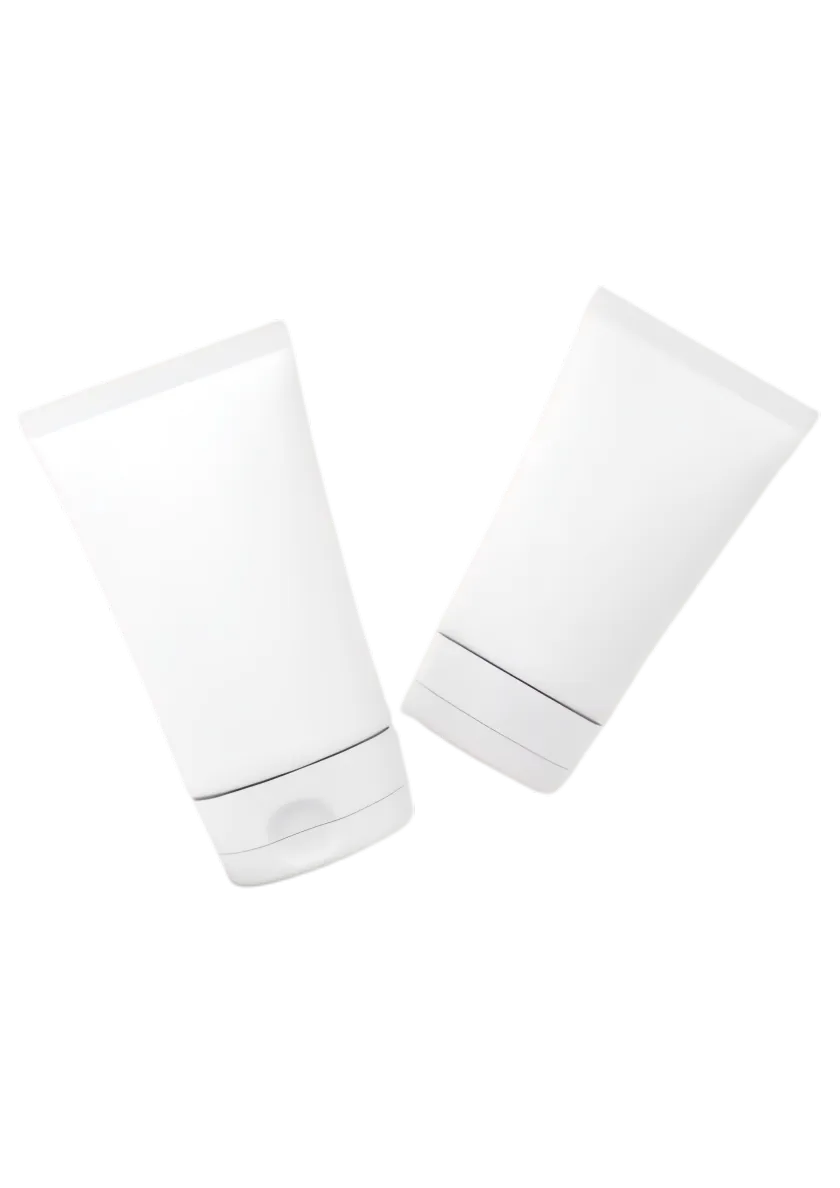
High-speed double-vacuum homogenizing mixers producing over 60,000 tubes per day with automated multi-layer barrier filling lines, accommodating flexible MOQs for growing and enterprise brands.
In contract toothpaste manufacturing, achieving high-efficiency whitening while preserving structural dental integrity requires controlling Relative Dentine Abrasivity (RDA). Conventional legacy toothpastes often relied on coarse Calcium Carbonate or high-RDA Hydrated Silica (RDA > 150), which mechanically scrape away extrinsic stains at the expense of microscopic enamel scratching. Modern consumer trends demand low-to-medium RDA formulas (RDA 40–80) combined with non-abrasive chemical oxidation and enzymatic action.
Our laboratory specializes in zero-sensitivity whitening platforms utilizing PAP+ (Phthalimidoperoxycaproic Acid). Unlike hydrogen peroxide, which releases free radicals that penetrate dentinal tubules and induce severe nerve sensitivity, PAP+ selectively targets organic double bonds within extrinsic chromogens without altering hydroxyapatite structures. Below is an engineering comparison matrix of primary OEM active systems:
| Active Chemistry | Primary Whitening Mechanism | Target RDA Range | Enamel Sensitivity Risk | Efficacy Timeline | Key Regulatory Classification |
|---|---|---|---|---|---|
| PAP+ (Organic Peracid) | Chemical oxidation of organic stain chromogens | RDA 30 – 50 (Ultra-Low) | Zero Sensitivity Reported | Visible whitening in 3–7 days | Cosmetics Grade (EU & US Compliant) |
| Nano-Hydroxyapatite (nHAp) | Bio-active enamel remineralization & gloss glossing | RDA 20 – 40 (Non-Abrasive) | Anti-Sensitivity / Tubule Sealant | Progressive glossing in 14 days | Cosmetic / Medical Device Tier |
| Enzymatic (Papain + Bromelain) | Proteolytic cleavage of pellicle protein matrix | RDA 40 – 60 (Low) | Zero Sensitivity | Stain prevention in 7–14 days | Natural / Clean-Label Cosmetic |
| Micro-Fine Hydrated Silica | Controlled physical polish of surface deposits | RDA 60 – 90 (Medium) | Low (When formulated with Potassium Nitrate) | Immediate physical stain removal | Standard Oral Care Monograph |
| Activated Charcoal (Micro-Porous) | Adsorption of chromophore molecules & tannins | RDA 70 – 110 (Moderate) | Low-Medium (Requires smooth particle sizing) | Immediate superficial lifting | Cosmetic Grade Specialty |
Producing stable, smooth, micro-bubble-free whitening toothpaste requires high-precision pharmaceutical-grade processing machinery. Our automated production facilities operate under strict ISO 22716 and GMP Cleanroom standards. The manufacturing process follows four critical engineering phases:
Raw materials are charged into sealed double-vacuum homogenizers operating under negative pressure (-0.09 MPa). This eliminates air entrapment, guaranteeing a smooth texture, preventing oxidation of active bleaching agents, and maintaining uniform active distribution.
Using synthetic binders (Xanthan Gum, Cellulose Gum, or Poloxamers), our R&D technicians engineer exact thixotropic profiles. The paste flows effortlessly under extrusion pressure from the tube while maintaining structural ribbon stability on the toothbrush head.
Filling is completed on high-speed automated Swiss and German filling lines utilizing Aluminium Barrier Laminate (ABL) or Plastic Barrier Laminate (PBL) tubes. Ultrasonic tail-sealing guarantees leak-proof integrity, air barrier protection, and high shelf-life extension.
Brands seeking sustainable competitive advantage must align their ODM/OEM formulation roadmaps with rising consumer trends. Over the next five years, procurement strategies in oral care will focus on three key innovation pillars:
Operating across multi-disciplinary divisions, our contract manufacturing framework bridges the gap between raw concept design and finished retail-ready inventory. Whether launching a viral D2C oral cosmetics brand or expanding an established pharmaceutical line, we offer:
In-house chemists craft tailor-made flavor profiles (Spearmint, Iced Peach, Matcha Mint), custom paste visual effects (purple color-correcting gels, gold glitter, dual-stripe extrusion), and unique active matrix systems.
Complete access to Post-Consumer Recycled (PCR) plastic tubes, recyclable mono-material aluminum tubes, luxury airless pump dispensers, and FSC-certified outer paper packaging.
Every batch undergoes 3-zone accelerated stability testing (40°C / 75% RH for 6 months), heavy metal analysis, micro-challenge testing, and viscosity verification prior to release.
Connect directly with our senior formulation engineering and OEM business management teams today. Get custom formulation quotes, request benchtop samples, or discuss custom packaging specifications for your target retail market.