
Explore our flagship hospital-grade sterile lubricants, mucosal care gels, and premium dietary health supplements engineered for global healthcare, pharmaceutical, and wellness brands.
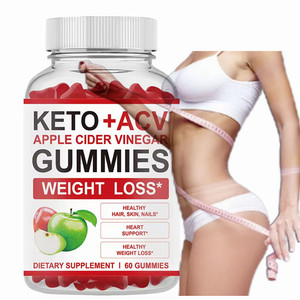
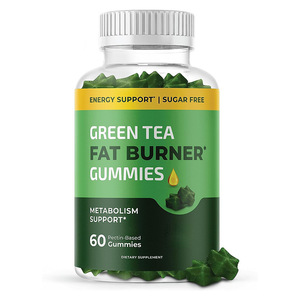
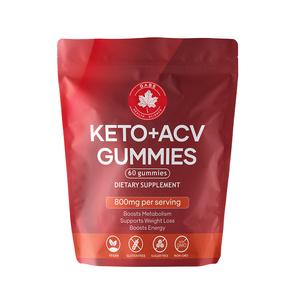
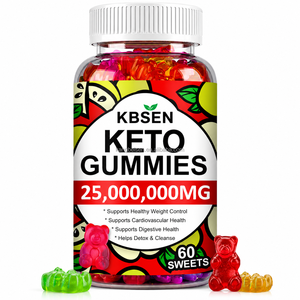
In modern clinical settings—including urethral catheterization, gynecological examinations, surgical endoscopy, and diagnostic imaging—the choice of medical lubricant directly impacts patient comfort, tissue integrity, and infection risk control. Selecting a contract manufacturer requires rigorous evaluation of rheological behavior, sterilization bioburden control, and mucosal safety standards.
Medical lubricants require optimized thixotropic shear-thinning properties. Under high shear strain (during device insertion), viscosity drops instantly to reduce friction coefficient, and recovers post-application to prevent fluid migration. Formulations utilize pharmaceutical-grade carbomer matrixes and Hydroxyethylcellulose (HEC) to achieve precise dynamic viscosity spanning 15,000 mPa.s to 120,000 mPa.s tailored to procedure type.
Achieving a Sterility Assurance Level (SAL) of 10⁻⁶ demands validated sterilization pathways. We employ Gamma Irradiation (25 kGy dosage) and Ethylene Oxide (EtO) degassing systems. Terminal gamma sterilization ensures absolute microbial destruction without altering polymer cross-linking stability or breaking down active bacteriostatic compounds like Chlorhexidine Gluconate (CHG) or Octenidine.
Safety across delicate epithelial tissue is non-negotiable. Our sterile lubricants undergo comprehensive ISO 10993 biocompatibility testing, covering Cytotoxicity (ISO 10993-5), Vaginal/Rectal Irritation (ISO 10993-10), and Sensitization (ISO 10993-10). Formulations are free from aggressive parabens, artificial dyes, and hyperosmolar glycerin concentrations that induce mucosal drying or tissue desquamation.
| Application Category | Primary Polymer Base | Target Viscosity (cPs) | Sterilization Method | Key Regulatory Standards |
|---|---|---|---|---|
| Urological Catheterization Gel | Carbomer 940 / HEC Blend | 45,000 – 65,000 | Gamma Irradiation (SAL 10⁻⁶) | ISO 13485, CE Class IIa, FDA 510(k) |
| Surgical Endoscopy Jelly | Pharmaceutical Grade HEC | 20,000 – 35,000 | Terminal Autoclave / EtO | ISO 10993 Cytotoxicity Cleared |
| Bacteriostatic Anesthetic Gel | Lidocaine 2% + CHG 0.05% Base | 50,000 – 80,000 | Aseptic Cleanroom Process | GMP Registered, NMPA Class II |
| Gynecological Diagnostic Lubricant | Water-Soluble Polyol Matrix | 15,000 – 25,000 | Gamma Irradiation | Paraben-Free, Isotonic Balanced |
Leveraging over two decades of biomedical and nutritional manufacturing heritage, our state-of-the-art facilities offer global distributors, pharmaceutical houses, and brand owners a frictionless one-stop contract manufacturing platform.
Our production lines operate inside certified ISO Class 8 (Class 100,000) cleanrooms equipped with HEPA filtration, differential pressure control, and automated fluid dosing. We rigorously monitor environmental bioburden and airborne particulate counts to prevent batch contamination.
Navigating international healthcare regulations can be complex. We provide comprehensive Technical Files, CE Mark Documentation, FDA 510(k) Master Files, Free Sale Certificates (FSC), and Certificate of Analysis (CoA) with every production lot to accelerate market access.
From individual single-use sterile aluminum-foil sachets (3g - 10g) to high-speed flexible laminate tubes (42g - 113g) and bulk accordion syringes, our automated lines accommodate diverse clinical presentation preferences and brand identity needs.
Healthcare purchasing committees and medical device distributors are shifting focus toward sustainability, single-dose hygiene compliance, and enhanced biocompatibility profiles. Understanding these market dynamics enables private label brand owners to capture emerging commercial opportunities.
Hospital-acquired infections (HAIs) linked to multi-dose tube cross-contamination have led global health authorities to recommend single-use sterile sachets. Modern clinical procurement mandates single-patient packaging, eliminating the need for parabens or high-concentration preservatives that can irritate sensitive mucous membranes.
World Health Organization (WHO) advisory guidelines emphasize that mucosal lubricants must maintain an osmolality below 1,200 mOsm/kg (ideally close to isotonic level ~300 mOsm/kg). Hyperosmolar gels cause micro-epithelial damage. Our forward-thinking formulations prioritize osmolality control to protect tissue cellular integrity during prolonged contact.
Environmental, Social, and Governance (ESG) criteria are rapidly entering hospital procurement tenders. We are pioneering recyclable barrier laminates and post-consumer recycled (PCR) polymer tubes for medical gels, reducing plastic waste while retaining rigorous moisture and oxygen barrier integrity.
Everything global healthcare buyers, contract importers, and brand procurement managers need to know regarding manufacturing lead times, customization, compliance, and minimum orders.
Our manufacturing partner facilities are certified under ISO 13485 (Medical Device Quality Management), ISO 9001, NPRA GMP, MDA Licensing, and JAKIM Halal standards. Production takes place within Class 100,000 cleanrooms audited under SEDEX/SMETA guidelines.
Yes. Our in-house Biomedical R&D team formulates customized dynamic viscosities (from 5,000 cPs fluid gel to 120,000 cPs dense jelly), adjusts physiological pH (3.8 to 6.5), and can incorporate active antimicrobial agents such as Chlorhexidine Gluconate (CHG) or Lidocaine for local numbing requirements.
Every batch leaves our cleanroom facilities accompanied by a comprehensive Certificate of Analysis (CoA), Certificate of Sterilization (Gamma Irradiation Dose Certificate or EtO Residual Analysis Report), Bacterial Endotoxin Test (LAL) results, and bioburden validation data.
For standard private label sterile sachets (e.g., 3g, 5g, or 10g foil packs), our standard MOQ starts at 50,000 units. For customized tube filling (42g or 82g aluminum/laminate tubes), MOQs begin at 10,000 units depending on artwork printing specifications.
Lab prototype formulations and custom viscosity samples are delivered within 1 to 3 business days. Once packaging artwork and technical specs are finalized, complete mass production and sterilization turnaround takes approximately 2 to 4 weeks.
Absolutly. We provide complete technical dossier support including stability testing data (accelerated and real-time 3-year shelf life), biocompatibility reports (ISO 10993), packaging integrity verification, and CE Technical File assembly for rapid global registration.
Whether you require turn-key private label sterile lubricant sachets, custom urological gels, or contract wellness formulations, our biomedical engineers and regulatory team are ready to bring your vision to market.