
Expertise in OEM/ODM Manufacturing
Discover leading formulations, regulatory updates, and market trends.
Supplement & Functional Food
Premium vitamins, functional beverages & nutrition formulas.
Cosmetics, Makeup & Skincare
Cutting-edge formulations backed by science and market demand.
Personal Care & Hair Care
Daily routine essentials crafted for your brand's growth.
Perfume & Fragrance
Crafted perfumes & essential oils for modern brand lines.
Medical Device
MDA-licensed, ISO 13485-certified OEM medical products.
China has become a major sourcing destination for private-label sunscreen creams. Its manufacturers offer formulation development, filling, packaging, and export support. However, choosing a reliable OEM Sunscreen Cream Manufacturer requires more than comparing factory prices. Product safety, testing records, ingredient transparency, and communication quality deserve equal attention.
This introduction presents a practical framework for reviewing China’s top ten manufacturers. It considers manufacturing experience, laboratory capabilities, production scale, certification systems, and customization options. The evaluation also examines sunscreen texture, application feel, packaging stability, and support for different markets. A dependable supplier should explain its testing process clearly. It should also provide traceable documents, realistic lead times, and samples that match commercial production.
Details matter. A smooth cream should spread evenly without pilling under makeup. A stable pump or tube can protect the formula during transport. Yet online information is not always complete. Factory rankings may change as certifications, equipment, and service teams develop. That limitation deserves honesty. Buyers should verify current certificates, request recent samples, and conduct independent compliance checks before placing an order.
The companies discussed here are not judged by marketing claims alone. Their technical teams, quality controls, production records, and customer feedback provide stronger evidence. Still, no supplier fits every brand. Minimum order quantities, budget, target climate, and product positioning can change the final choice. A thoughtful comparison can reduce avoidable risks and support a more confident sourcing decision.
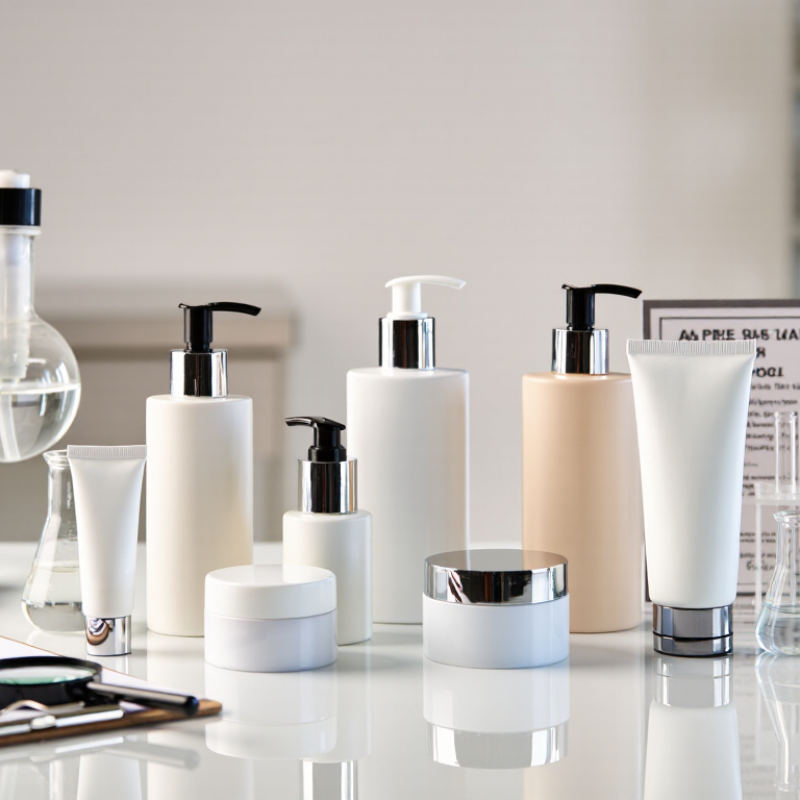
OEM sunscreen cream manufacturing in China means producing a sunscreen formula for another company under its own name. The manufacturer may handle formulation, testing, filling, packaging, and batch records. It is not simple. A serious supplier should provide stability data, SPF and UVA test reports, ingredient specifications, and production traceability.
Grand View Research estimated the global sunscreen market at about US$13.5 billion in 2023, with continued growth expected through 2030. This demand encourages faster product development, but speed can weaken quality checks. For products sold in mainland China, sunscreen is generally treated as a special cosmetic under National Medical Products Administration requirements. Registration, safety assessments, formula documentation, and compliant labeling must be planned before commercial production. ISO 22716-based good manufacturing practices also help control hygiene, filling accuracy, and contamination risks.
In practice, buyers should inspect the factory, not only its product catalog. Check emulsification equipment, pilot-batch capacity, microbiological testing, and retained-sample procedures. Packaging compatibility matters too. A cream can separate inside an airless bottle after heat exposure. That gap matters. Low minimum order quantities may look attractive, but they can hide limited testing capacity or unstable raw-material sourcing. I would request three pilot batches, compare texture after accelerated stability testing, and review the original laboratory records before approving an OEM sunscreen project.
When evaluating China’s top 10 OEM sunscreen cream manufacturers, start with evidence, not catalog photos. Grand View Research valued the global sunscreen market at about US$13.75 billion in 2023. Its forecast also suggests steady growth through 2030. This demand attracts capable factories, but also uneven suppliers. Request recent ISO 22716 documentation, production photographs, batch records, and independent audit results. A clean showroom proves little.
Technical validation should guide the shortlist. Ask whether the factory tests SPF under ISO 24444 and UVA protection under ISO 24443. Review stability data from heat, freeze-thaw, and light exposure. Check preservative challenge testing, microbial limits, viscosity, odor, and packaging compatibility. A formula that feels elegant at 25°C may separate in a delivery truck. That detail is easy to miss. Confirm raw-material traceability and whether the testing laboratory is properly accredited. Avoid accepting “SPF 50” as proof without a complete report.
Tips: Compare ten suppliers using the same scorecard. Measure testing depth, minimum order quantity, sample consistency, lead time, and change-control procedures. Ask for three pilot batches, not one sample. Check whether the factory records deviations honestly. Perfect claims can be a warning sign. I would also inspect communication speed and technical answers, because delays often begin before production. Pricing matters, but unusually low quotes may hide weaker filters, thinner packaging, or incomplete testing. Require written specifications, claim support, and export documents before signing.
Leading Chinese sunscreen OEMs now offer more than bulk production. Their services often begin with formula development, including mineral, organic, and hybrid UV-filter systems. R&D teams adjust texture, whitening, water resistance, and skin feel through repeated laboratory trials. According to Fortune Business Insights, the global sunscreen market was valued at about USD 13.44 billion in 2023. This growth increases demand for flexible private-label manufacturing.
Testing is a major service. Reliable suppliers arrange SPF, UVA, stability, microbial, and packaging-compatibility evaluations through qualified laboratories. They may also provide pilot batches, accelerated aging tests, and production-scale verification. ISO 22716-based manufacturing controls can improve traceability, hygiene, and batch consistency. However, testing quality differs between factories. Buyers should request complete reports, test methods, sample numbers, and expiry assumptions.
Packaging support is equally practical. OEM teams can recommend airless pumps, tubes, jars, and travel-size formats. They coordinate artwork checks, filling trials, carton inspection, and shipment preparation. Many also support ingredient sourcing and supply planning. Euromonitor International’s 2024 beauty industry analysis highlights continued consumer interest in daily sun protection and multifunctional skincare. That trend makes lightweight moisturising formulas commercially attractive. Still, “high SPF” alone is not enough. A formula may feel greasy, pill under makeup, or lose stability in heat. Factory promises need independent review. Small pilot orders are wiser than immediate large commitments.
China’s top OEM sunscreen cream manufacturers are often evaluated by their manufacturing discipline, not by factory size alone. A reliable facility should follow documented GMP procedures, controlled sanitation, and traceable raw material handling. Production areas need monitored temperature, humidity, and cleaning records. These details matter when a cream contains delicate UV filters, botanical extracts, or fragrance components.
Formulation options may include mineral, organic, or hybrid sunscreen systems. Experienced manufacturers can adjust texture, spreadability, whitening effect, water resistance, and skin feel. They should also explain ingredient compatibility before scaling a formula. A pilot batch can reveal problems that laboratory samples hide. Sometimes, the first texture feels too heavy. That is useful feedback. Airless pumps, tubes, and jars also require compatibility checks, because packaging may affect stability or dispensing.
Quality control should cover incoming materials, in-process viscosity, pH, appearance, fill weight, and finished-product testing. Stability studies under heat and light can identify separation, odor changes, or color shifts. Microbiological testing is essential for cream-based products. Batch samples should remain available for future review, with clear records from mixing to shipment. A professional OEM partner should provide test documentation, but buyers still need independent verification when claims involve SPF, UVA protection, or water resistance. Factory audits can be uncomfortable, yet they often expose weak training, incomplete records, or rushed inspections. That is where careful judgment matters.
Anonymized OEM capability comparison based on commonly used international sunscreen manufacturing and testing standards
| Rank | Anonymous OEM Capability Profile | Manufacturing Standards | Formulation Options | Regulatory Routes and UV Filters | Performance Testing | Quality Controls | Best-Fit Buyer Requirement |
|---|---|---|---|---|---|---|---|
| 01 | Profile A — International Compliance Focus | ISO 22716-aligned cosmetic GMP; documented batch records; controlled weighing and production areas. | O/W and W/O creams, fluid lotions, mineral sunscreen, hybrid mineral-organic systems, fragrance-free options. | EU Cosmetics Regulation 1223/2009 support; U.S. OTC pathway awareness; zinc oxide and titanium dioxide mineral systems plus approved organic filters by market. | SPF testing according to ISO 24444; UVA evaluation using ISO 24443 or ISO 24442 where applicable; broad-spectrum documentation by target market. | Raw-material identity checks, pH, viscosity, appearance, odor, microbial limits, stability review, and retained samples. | Brands requiring multi-market technical files and consistent export documentation. |
| 02 | Profile B — Mineral Sunscreen Specialist | Cosmetic GMP controls with dedicated powder handling, dispersion, and dust-reduction procedures. | Non-nano and nano mineral concepts where legally permitted; tinted and untinted creams; sensitive-skin and baby-care positioning. | Primarily zinc oxide and titanium dioxide; particle-size, dispersion, color, and market-specific labeling review required. | SPF, UVA, photostability, and dispersion-uniformity assessments; additional nano-material documentation where relevant. | Powder lot verification, microscopy or particle-dispersion checks, viscosity control, microbial testing, and accelerated stability. | Sensitive-skin, mineral-only, reef-conscious, or low-white-cast product concepts. |
| 03 | Profile C — High-SPF Daily Face Care | ISO 22716-based production with controlled emulsification, filling, and in-process homogeneity checks. | Lightweight facial cream, gel-cream, serum sunscreen, makeup-compatible, non-comedogenic, and low-oil systems. | Organic or hybrid filter systems selected according to destination-market positive lists and maximum-use restrictions. | SPF, UVA-PF, critical-wavelength assessment where required, photostability, and wear or compatibility screening. | Particle and emulsion uniformity, viscosity profile, pH, centrifuge screening, freeze-thaw testing, and packaging compatibility. | Premium daily facial products needing elegant sensory performance and cosmetic compatibility. |
| 04 | Profile D — Water-Resistance Development | Controlled batching, high-shear mixing, validated cleaning procedures, and documented hold-time controls. | Water-resistant cream, sports lotion, beach sunscreen, body milk, and film-forming emulsion systems. | Filter combinations and film-formers selected according to local regulations; U.S. water-resistance claims require applicable FDA testing and labeling compliance. | SPF and water-resistance testing; U.S. claims commonly reference 40-minute or 80-minute test categories under applicable requirements. | Film uniformity, rub-off observation, viscosity, emulsion stability, microbial quality, and container-closure compatibility. | Outdoor, sports, travel, and family body-care products with substantiated water-resistance claims. |
| 05 | Profile E — Sensitive-Skin and Fragrance-Free | GMP-based allergen-control procedures, raw-material segregation, and enhanced cleaning verification. | Fragrance-free, essential-oil-free, alcohol-free, low-irritation, pediatric-care, and barrier-support cream concepts. | Mineral or carefully selected organic filters; formula review against restricted substances and destination-market requirements. | SPF and UVA testing, preservative efficacy testing using ISO 11930 where appropriate, and dermatological compatibility planning. | Microbial limits based on ISO 17516, preservative challenge testing, pH, allergens review, stability, and packaging hygiene controls. | Dermatology-oriented, baby-care, pharmacy, and sensitive-skin product lines. |
| 06 | Profile F — Natural-Origin Formulation Focus | Cosmetic GMP with supplier qualification, natural-origin documentation, and traceable botanical-material purchasing. | Natural-origin emulsion, silicone-free concepts, botanical-support formulas, vegan options, and mineral sunscreen creams. | Filter selection depends on the certification standard and target market; natural-origin claims do not replace SPF or safety testing. | SPF, UVA, stability, preservative efficacy, sensory assessment, and claim-substantiation testing. | Botanical identity and contaminant review, microbial testing, oxidation monitoring, viscosity, pH, and accelerated stability. | Clean-beauty, natural-origin, vegan, and environmentally positioned product programs. |
| 07 | Profile G — Large-Scale Contract Production | Formal GMP system, production scheduling, batch traceability, line clearance, and documented deviation handling. | Standard cream, body lotion, family sunscreen, pump lotion, tube cream, and high-volume private-label formats. | Multiple regional filter systems supported through separate formulas and market-specific compliance reviews. | SPF and UVA tests through qualified laboratories; routine batch release based on approved specifications. | Incoming QC, in-process controls, finished-product testing, barcode or lot traceability, stability program, and retain-sample management. | Retail, mass-market, seasonal, and recurring high-volume purchasing programs. |
| 08 | Profile H — Flexible Small-to-Mid Volume OEM | GMP-aligned production with flexible scheduling, documented specifications, and controlled pilot-batch processes. | Custom texture development, tinted cream, travel-size formats, startup-friendly prototypes, and limited-SKU programs. | Mineral, organic, or hybrid filters selected after market review; formula scale-up must preserve tested performance. | Laboratory SPF and UVA testing, stability screening, compatibility checks, and repeat-batch comparison. | Pilot-batch inspection, appearance, pH, viscosity, microbial testing, fill-weight checks, and lot documentation. | Emerging brands, test launches, seasonal collections, and moderate-volume custom projects. |
| 09 | Profile I — Packaging and Filling Integration | GMP-based filling operations, line clearance, container-closure checks, and packaging-component approval procedures. | Tubes, airless pumps, bottles, sachets, stick-compatible emulsions, and lightweight face or body creams. | Filter system and label claims reviewed for each destination market; packaging must protect formula stability and dosing consistency. | SPF and UVA testing on the final approved formula; packaging compatibility and dose-delivery checks. | Fill-weight verification, torque or seal checks, leakage testing, coding inspection, visual inspection, and transport simulation. | Products where packaging usability, hygiene, portability, and dispensing consistency are critical. |
| 10 | Profile J — Research and Custom Formulation Partner | Documented development procedures, formula version control, laboratory notebooks, scale-up records, and GMP transfer controls. | Custom sensory profiles, hybrid filters, tinted sunscreen, water-gel cream, anti-pollution concepts, and multifunctional skincare. | Formula architecture adapted to EU, U.S., ASEAN, GCC, or other target markets after regulatory assessment. | SPF, UVA, photostability, preservative efficacy, stability, compatibility, and claim-substantiation planning. | Design-of-experiment support, raw-material qualification, pilot-batch comparison, microbial testing, stability, and change control. | Differentiated products requiring unique texture, appearance, claims, or proprietary formulation development. |
Important Verification Points
ISO 22716 is a cosmetic GMP guideline and does not by itself prove sunscreen efficacy. SPF, UVA, water-resistance, preservative efficacy, stability, safety, and regulatory compliance should be verified for the final formula, packaging configuration, intended market, and product claims. Anonymous profiles are capability categories rather than named-company rankings.
Common reference standards include ISO 22716, ISO 24444 for SPF, ISO 24443 and ISO 24442 for UVA assessment, ISO 11930 for preservative efficacy, ISO 17516 for cosmetic microbiology, and applicable regional sunscreen regulations such as the EU Cosmetics Regulation 1223/2009 and U.S. OTC sunscreen requirements.
China’s sunscreen industry is expanding with strong demand for lightweight, high-protection formulas. Grand View Research valued the global sunscreen market at approximately USD 13.03 billion in 2023, with projected annual growth of about 5.5% through 2030. This growth attracts many Chinese OEM manufacturers, but a large factory is not always the right partner.
Start with documented capabilities, not attractive samples. Request manufacturing licenses, quality certificates, stability-test records, and recent batch documentation. A reliable supplier should explain its testing process for SPF, UVA protection, microbiological safety, preservative performance, and packaging compatibility. ISO 22716-based production controls are important, while local compliance must match your target market. Ask who performs the tests. Internal results alone may not be enough.
Factory visits can reveal practical details: clean filling lines, calibrated equipment, controlled storage, and clear material labels. Check whether the supplier supports small pilot batches before large production. Grand View Research and Mordor Intelligence both report mid-single-digit growth in the sunscreen market, increasing pressure for faster product launches. Speed matters, but rushed validation creates expensive problems. A polished sample can still mislead. Formulas may change after scale-up, and packaging may affect texture or stability. Build written specifications, approval checkpoints, and corrective-action procedures into the contract. The cheapest quotation is often incomplete.
They usually offer formula development, testing, packaging support, ingredient sourcing, and production planning.
Many manufacturers develop mineral, organic, and hybrid UV-filter formulas.
Request SPF, UVA, stability, microbial, preservative, and packaging-compatibility testing.
Pilot batches show whether laboratory formulas survive larger-scale production.
Suppliers may recommend tubes, airless pumps, jars, and travel-size containers.
Review manufacturing licenses, quality certificates, stability records, and recent batch documents.
It can improve hygiene, traceability, and batch consistency.
Compare testing, ingredients, packaging, minimum order quantities, documentation, and corrective-action terms.
China’s sunscreen OEM industry enables skincare brands to develop customized sun protection products without building their own manufacturing facilities. A qualified OEM Sunscreen Cream Manufacturer can support the entire process, from formula development and ingredient selection to packaging, labeling, filling, and delivery. When evaluating potential suppliers, buyers should examine production capacity, research and development expertise, communication efficiency, experience with different sunscreen textures, and the ability to meet specific product positioning and order requirements.
Leading Chinese sunscreen manufacturers typically offer options such as cream, lotion, gel, and lightweight fluid formulas, along with customized moisturizing, oil-control, or sensitive-skin solutions. Reliable partners should operate with clear quality controls, documented testing procedures, hygienic production environments, and consistent batch management. Brands should also compare sampling services, minimum order quantities, lead times, technical support, and after-sales communication. Choosing the right partner requires balancing product quality, formulation flexibility, manufacturing reliability, compliance support, and long-term cooperation potential.