
Choosing an OEM Functional Tea Manufacturer in China requires more than comparing factory prices. It demands evidence, technical judgment, and a clear understanding of changing consumer expectations. Grand View Research reports that the global functional beverages market is expanding as consumers seek products supporting immunity, digestion, energy, and relaxation. Tea is well positioned within this shift because it combines familiar preparation with botanical ingredients. The opportunity is real.
But the supply chain is not automatically reliable.
A capable OEM partner should demonstrate experience with herbal blending, extraction, flavor balancing, and stable packaging performance. Ask for recent Certificates of Analysis, ingredient specifications, allergen statements, and batch-level traceability records. HACCP, ISO 22000, or FSSC 22000 certification can strengthen confidence, but certificates alone do not prove daily manufacturing discipline. Visit the facility when possible. Observe the weighing room, moisture controls, sanitation procedures, and finished-goods storage. Details matter, such as whether raw materials sit directly on the floor or whether samples are retained for every batch.
Industry reports from Innova Market Insights and Mintel consistently highlight clean-label positioning, transparent sourcing, and functional benefits as major purchasing influences. However, marketing claims must remain scientifically supportable and compliant with the target market’s regulations. A manufacturer should help review wording, not encourage exaggerated promises. No supplier is perfect. That requires reflection. A successful partnership depends on documented testing, realistic lead times, responsive communication, and pilot production before large orders. The right China OEM Functional Tea Manufacturer is therefore not simply the lowest-cost factory, but a verifiable technical partner capable of turning a safe formula into a consistent commercial product.
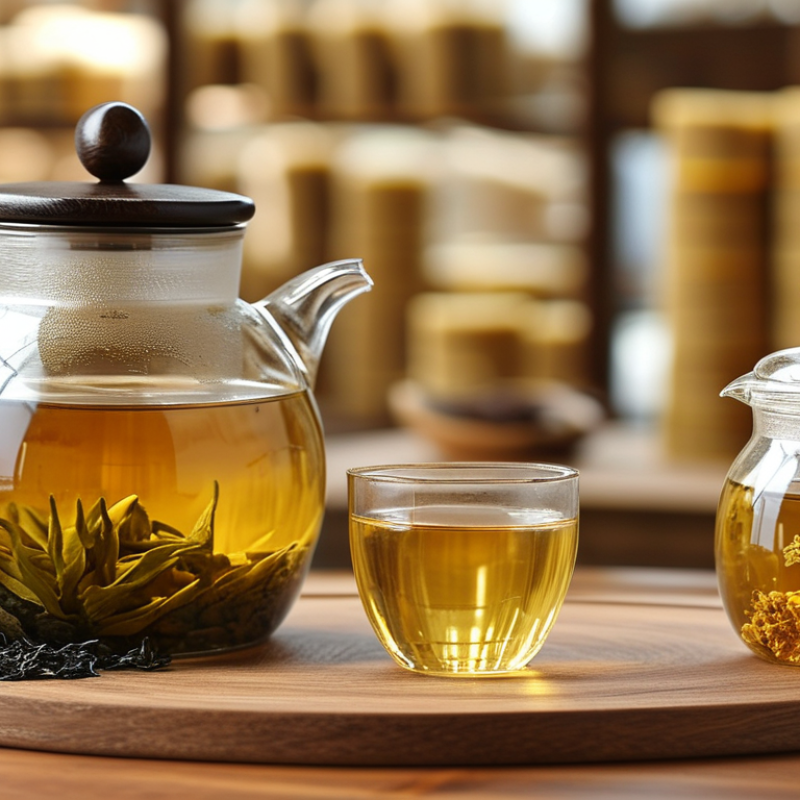
Functional tea combines tea leaves, herbs, or other permitted ingredients with a specific wellness purpose. Unlike ordinary tea, it requires clearer evidence, controlled formulation, and careful quality management. An OEM manufacturer develops the recipe, sources materials, produces the tea, and may support packaging under your specifications. The process should begin with your target users, flavor expectations, serving format, and applicable market requirements. Vague health promises create unnecessary risk.
When assessing a China OEM functional tea manufacturer, ask how ingredients are identified and tested. Reliable facilities should provide supplier records, batch tracking, contaminant testing, and finished-product specifications. Request samples from different production batches, not only one polished prototype. A first sample can taste excellent and still perform poorly during scale-up. That detail is easy to overlook. Discuss extraction methods, moisture control, shelf-life testing, and packaging protection against humidity. Factory experience matters, but documented procedures matter more. No audit is perfect.
Tips: Ask for a clear development timeline and written quality standards. Check whether the manufacturer can adjust taste without weakening ingredient accuracy. Review test reports independently when possible. Confirm that every ingredient is permitted in your target market. Keep communication records, because small changes can affect the final formula. Also, allow room for revision. Functional tea development is rarely flawless on the first attempt.
| Evaluation Dimension | What to Review | Relevant Functional Tea Examples | Evidence to Request | Practical Selection Benchmark |
|---|---|---|---|---|
| Product Definition | Confirm whether the product is a conventional tea, herbal infusion, tea extract blend, or a combination formula. | Green tea, black tea, oolong tea, rooibos, peppermint, ginger, chamomile, hibiscus, and mixed botanical infusions. | Product specification, formula sheet, ingredient list, intended serving size, and target market. | The manufacturer should clearly distinguish tea leaves from non-tea botanicals and define every ingredient by common name, botanical name, and plant part. |
| Functional Positioning | Check whether the proposed benefit is supported by the ingredient profile and complies with the regulations of the destination market. | Antioxidant positioning may be associated with tea polyphenols; digestive or relaxation positioning may use botanicals traditionally linked with those applications. | Ingredient rationale, scientific references, claim review, and market-specific labeling assessment. | Claims should be conservative, substantiated, and separated from disease-treatment claims unless specifically authorized by the applicable regulator. |
| Active Marker Control | Determine which compounds will be used to identify batch consistency. | Tea polyphenols or catechins for green tea, caffeine where relevant, gingerols for ginger, and volatile oil markers for selected herbs. | Certificate of analysis, analytical method, reference standard information, and test results from representative batches. | A reliable OEM partner should set an agreed specification for the selected marker rather than relying only on visual appearance or flavor. |
| Raw Material Traceability | Review the origin, harvest information, supplier approval process, and storage controls for tea leaves and botanicals. | Lot number, country or region of origin, harvest period, plant part, drying method, and storage conditions. | Raw-material specifications, supplier qualification records, traceability procedure, and batch coding example. | Each finished batch should be traceable back to its raw-material lots and production records. |
| Contaminant Testing | Verify testing for hazards that may affect dried tea and botanical ingredients. | Pesticide residues, heavy metals, microbial contamination, mycotoxins where applicable, foreign matter, and unauthorized adulterants. | Recent laboratory reports, test methods, sampling plan, laboratory accreditation details, and corrective-action records. | Testing should reflect the risks of the ingredients and the legal limits of the intended sales market; one generic test report is not sufficient for every formula. |
| Microbiological Control | Assess hygiene controls for raw materials, blending, filling, and finished-product release. | Total aerobic microbial count, yeast and mold, and specified pathogens according to the applicable product standard. | Finished-product microbiological specification, laboratory report, sanitation program, and environmental monitoring summary. | Acceptance criteria should be documented before production and should match the destination market and product format. |
| Manufacturing Certifications | Evaluate the facility’s food-safety management system and production controls. | Good Manufacturing Practice, HACCP-based controls, ISO 22000, or another recognized food-safety certification. | Current certificates, scope of certification, issuing-body details, audit date, and certificate validity. | The certificate scope should cover the actual activities, such as blending, tea-bag packing, loose-leaf packing, or extract handling. |
| Product Format Capability | Confirm whether the facility can manufacture the required format without transferring production to an undisclosed subcontractor. | Loose-leaf tea, pyramid tea bags, conventional filter bags, sachets, instant tea powder, and ready-to-brew blends. | Equipment list, production-flow diagram, sample packaging, format specifications, and subcontracting disclosure. | The plant should demonstrate compatible filling, sealing, weighing, metal detection, and coding equipment for the selected format. |
| Formula Development | Review the OEM’s ability to balance taste, aroma, solubility, stability, and target functional markers. | Botanical compatibility, bitterness control, natural flavor balance, particle-size consistency, and extraction performance. | Prototype samples, development records, sensory evaluation form, formula version control, and stability-test plan. | The final formula should be approved against written criteria for flavor, appearance, aroma, serving weight, and analytical markers. |
| Packaging and Shelf Life | Check protection against moisture, oxygen, light, odor transfer, and loss of volatile aroma compounds. | Foil laminate, high-barrier film, resealable pouches, cartons, individually wrapped tea bags, and desiccant-compatible packaging where suitable. | Packaging specification, material compliance statement, seal-integrity test, accelerated or real-time stability data, and shelf-life rationale. | Shelf life should be supported by documented testing rather than assigned only from a standard commercial assumption. |
| Label and Regulatory Support | Confirm that the OEM can prepare compliant product information for the target market. | Ingredient declaration, nutrition information where required, allergen statement, preparation instructions, lot code, net quantity, and storage instructions. | Label mock-up, regulatory checklist, ingredient compliance review, and export documentation examples with sensitive information removed. | The manufacturer should identify restricted ingredients, maximum use levels, mandatory warnings, and claim limitations before commercialization. |
| Quality Release Process | Understand how the facility approves materials, in-process production, packaging, and finished batches. | Incoming inspection, weight checks, seal checks, metal detection, sensory inspection, laboratory testing, and final document review. | Quality-control plan, batch manufacturing record template, release checklist, deviation procedure, and complaint-handling process. | No batch should be released without documented review of production records and required analytical results. |
| Minimum Order and Sampling | Compare the commercial requirements for stock formulas, customized formulas, packaging, and printed materials. | Minimum order quantity may differ by tea blend, packaging format, artwork, and whether dedicated raw materials are required. | Written quotation showing sample fees, development fees, tooling or printing charges, minimum order quantity, and payment terms. | Select a supplier that provides transparent pricing and separates one-time development costs from recurring production costs. |
| Production Schedule | Review sample-development, material-procurement, production, testing, and shipping stages. | Timelines vary according to formula complexity, packaging customization, testing requirements, and raw-material availability. | Project schedule, approval milestones, production capacity statement, and contingency plan for delayed materials or failed tests. | The supplier should provide a stage-by-stage timeline instead of quoting only one combined lead-time figure. |
| Communication and Documentation | Assess whether technical information is accurate, consistent, and available in written form. | Formula revisions, artwork approval, purchase specifications, certificates of analysis, inspection records, and shipment documents. | Sample document pack, document-control procedure, named technical contact, and response-time expectations. | Choose a partner that records approvals and changes formally to reduce the risk of producing an outdated formula or label. |
| Recommended Final Decision | Score shortlisted manufacturers using the same criteria before placing a purchase order. | Quality Compliance Capability Cost Communication | Completed supplier questionnaire, sample evaluation, audit findings, quotation comparison, and risk assessment. | Prioritize verified quality systems, traceability, regulatory suitability, and repeatable product performance over price alone. |
Functional tea combines tea leaves, herbs, or permitted ingredients for a specific wellness purpose. Its formula needs clear evidence and careful quality control.
Review ingredient records, supplier qualifications, batch tracking, and finished-product specifications. A polished showroom proves little.
One attractive prototype may not match normal production. Compare aroma, color, sediment, sweetness, and aftertaste. Test hot and cold brewing.
Ask for contaminant, moisture, and microbial safety testing. Check ingredient identity and foreign matter controls. One report cannot prove every batch is consistent.
Separate raw materials, packaging, testing, tooling, and shipping costs. Confirm minimum order quantities and payment schedules. A low quote may hide stability testing or inner-bag costs.
Ask about monthly capacity, lead times, backup equipment, and delayed-material procedures. Request a clear development timeline. Small pilot orders can expose weaknesses.
Packaging should limit humidity and support shelf stability. Check seal strength, storage conditions, label accuracy, and batch coding. Small changes can affect scheduling.
Written specifications should cover ingredients, tolerances, inspections, delivery terms, and change approvals. Keep retain samples and communication records. No audit is perfect.
Choosing the right OEM Functional Tea Manufacturer begins with understanding how functional tea products are developed, formulated, and produced for specific consumer needs. Buyers should clearly define their product concept, preferred ingredients, flavor profile, dosage form, packaging style, target customers, and intended market before contacting suppliers. This preparation helps ensure that the manufacturer can support the desired product positioning and production requirements.
When evaluating manufacturers in China, review their experience, ingredient sourcing, formula development capabilities, certifications, laboratory testing, and quality management systems. Request samples to assess taste, appearance, solubility, and consistency, then compare quotations based on ingredients, packaging, minimum order quantities, lead times, and long-term production capacity rather than price alone. A reliable supplier should communicate transparently, provide clear documentation, maintain strict quality control throughout manufacturing, and support product improvements when necessary. Careful comparison of samples, costs, production processes, and testing results can help businesses select a dependable partner and build a safe, consistent, and market-appropriate functional tea product.