

Expertise in OEM/ODM Manufacturing
Discover leading formulations, regulatory updates, and market trends.
Supplement & Functional Food
Premium vitamins, functional beverages & nutrition formulas.
Cosmetics, Makeup & Skincare
Cutting-edge formulations backed by science and market demand.
Personal Care & Hair Care
Daily routine essentials crafted for your brand's growth.
Perfume & Fragrance
Crafted perfumes & essential oils for modern brand lines.
Medical Device
MDA-licensed, ISO 13485-certified OEM medical products.
China’s functional coffee market is expanding beyond simple caffeine claims. Consumers now examine ingredients, dosage, taste, and manufacturing transparency. This makes supplier selection more demanding for brands entering private-label or contract production.
Dr. Shawn Talbott, a nutritional biochemist and functional-beverage specialist, offers a useful guiding principle: “Function must serve the consumer, not the label.” The statement captures a common manufacturing problem. A coffee pouch may list adaptogens, vitamins, mushrooms, or minerals, yet its formula can remain unclear. Effective OEM development requires more than attractive packaging. It requires stable sourcing, controlled roasting, accurate dosing, sensory testing, and responsible claim review.
This guide examines China’s top 10 OEM Functional Coffee Manufacturer options through practical criteria. These include factory capability, certifications, formulation support, minimum order quantities, packaging flexibility, lead times, and export experience. Some manufacturers focus on instant coffee. Others develop drip bags, sachets, capsules, or ready-to-mix blends. The differences matter.
A strong supplier should provide traceable raw materials and realistic documentation. Ask for recent certificates, batch records, sample specifications, and testing procedures. Visit the production site when possible. Photos are not enough.
No ranking is perfect. Supplier strengths change with equipment, staffing, and market demand. A manufacturer that fits a startup may not suit a large retail program. Buyers should verify every important claim independently, especially health-related language and ingredient compliance. This introduction provides a practical starting point, not a substitute for due diligence.
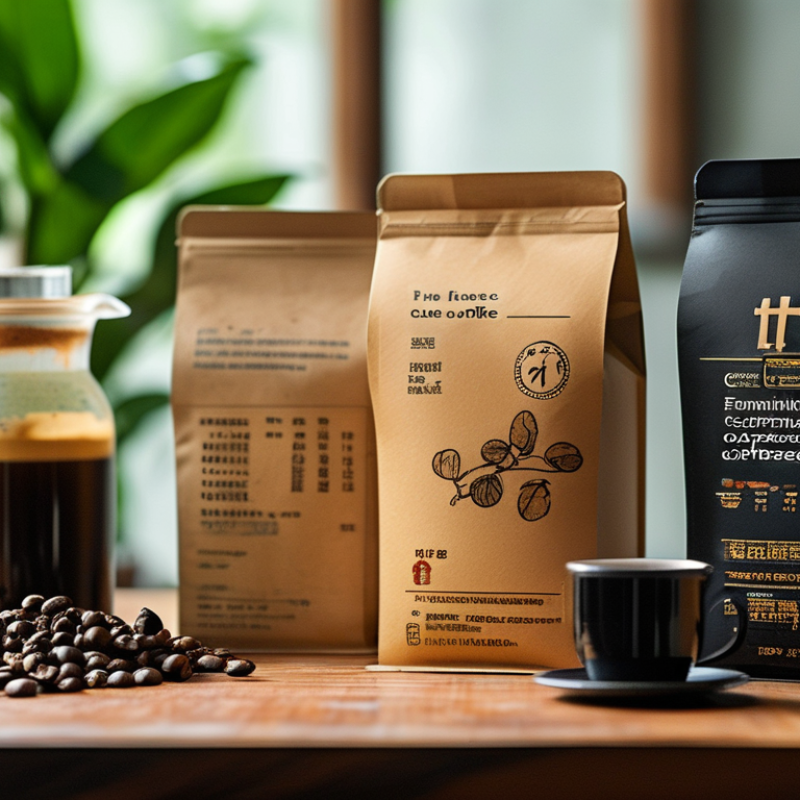
China’s functional coffee OEM market gained momentum in 2024, supported by wider coffee consumption and demand for convenient wellness products. iiMedia Research estimated China’s coffee industry at approximately RMB313.3 billion in 2024. This figure covers broader coffee consumption, not functional coffee alone. The distinction matters.
Euromonitor International’s 2024 consumer research points to stronger interest in products linked with energy, focus, and everyday health. Innova Market Insights also identifies functional positioning as a continuing food and beverage innovation driver. For OEM buyers, this creates demand for coffee sachets, ready-to-drink formats, and blends using permitted vitamins, minerals, or botanical ingredients. Quality control remains decisive. A serious top-ten OEM shortlist should examine extraction stability, ingredient traceability, sensory testing, minimum order quantities, and batch-level laboratory records. Small details matter, such as whether powder settles after five minutes or the aroma fades after opening. Manufacturers with pilot-scale testing can reduce these risks before mass production.
The data is not perfectly comparable. Some reports measure retail sales, while others track product launches or consumer intentions. That weakness deserves attention. Even so, the direction is clear: Chinese buyers increasingly expect functional claims, transparent formulas, and practical packaging. OEM factories that combine formulation expertise with compliant labeling and reliable delivery are better positioned for 2024 demand. Yet demand forecasts can still overstate real repeat purchases. Trial is easy. Retention is harder.
China coffee market size as a public demand proxy for functional coffee OEM opportunities
China’s overall coffee market was estimated to grow from RMB 213.7 billion in 2022 to RMB 313.3 billion in 2024, representing approximately 46.6% cumulative growth. This expanding demand supports opportunities for OEM products featuring functional ingredients, convenient formats, and differentiated coffee solutions.
Source: iiMedia Research market estimates. The figures represent the overall China coffee market and are used as a public demand indicator; they do not represent revenue from any individual company, brand, or OEM supplier.
China’s top ten OEM functional coffee manufacturers should be ranked by evidence, not factory photographs. In supplier audits, I examine MOQ, annual capacity, GMP controls, and export records. Product samples matter too. A polished sample can hide weak batch consistency.
The ranking gives greater weight to verified production data. Leading manufacturers usually accept MOQs from 5,000 to 20,000 units, depending on packaging and formula complexity. Larger facilities may produce several million sachets monthly. However, capacity claims require production logs, not sales presentations. GMP compliance should include controlled weighing rooms, metal detection, sanitation records, and batch traceability.
Export performance adds another useful test. Customs documents, destination markets, and repeat shipment records reveal operational reliability. The strongest candidates maintain documented exports across multiple regions and provide certificates matching the shipped product. Ranks two through four may offer better prices, but their minimum order quantities can change during peak seasons. That detail is often missed.
Not every high-capacity factory deserves a high position. Some have excellent equipment but limited formulation support. Others manage small MOQs well but lack stable overseas logistics. The ranking should also review lead times, retention samples, complaint handling, and third-party laboratory testing. Results are not always clean. Data may be incomplete, certificates may need renewal, and one site visit cannot prove long-term performance. That uncertainty deserves a visible place in the evaluation.
China’s functional coffee sector is moving from novelty toward controlled formulation. The International Coffee Organization estimated global consumption at 177.9 million 60-kilogram bags in 2023/24. Grand View Research also projects steady growth for functional coffee through 2030, although market definitions differ between reports.
The ten manufacturer profiles should compare formats, actives, certificates, and minimum order quantities. Profile 1 offers instant sachets with caffeine and L-theanine. Profile 2 supplies drip bags with chlorogenic-acid specifications. Profile 3 focuses on freeze-dried coffee and soluble fiber. Profile 4 develops stick packs with vitamin blends. Profile 5 produces ready-to-drink cans. Profile 6 handles private-label capsules. Profile 7 combines coffee with mushroom extracts. Profile 8 supports sugar-free powdered blends. Profile 9 provides roasted beans for cafés. Profile 10 specializes in custom formulas and pilot batches. Simple formats matter.
Typical MOQs range from 5,000 sachets for stock formulas to 100,000 units for custom packaging. Some factories quote kilograms instead, often between 100 and 500 kilograms. Buyers should request recent ISO 22000, HACCP, GMP, or BRCGS certificates, not just logo files. Certificates can expire. Testing should cover caffeine, heavy metals, microbiology, allergens, and active-compound consistency. A 2024 Innova Market Insights review noted rising consumer interest in energy and wellness positioning, but “functional” remains a broad claim. That weakness deserves attention. Verify every dosage, stability result, and export document before signing.
China Top 10 OEM Functional Coffee Manufacturers?
Formulation compliance should guide every OEM comparison. The FDA’s 400 mg figure applies to healthy adults as general daily guidance. It is not a blanket permission.
A compliant formula must count caffeine from coffee, extracts, and added ingredients. Serving size and recommended daily use should match that calculation. Pregnant consumers, adolescents, and caffeine-sensitive users may need stricter limits. Clear warnings matter. They are not decorative text. A practical review should request raw material specifications, test reports, allergen records, and batch traceability. Independent testing can confirm caffeine levels before release.
ISO 22000 adds a food safety management structure across the factory. It supports hazard analysis, supplier controls, sanitation procedures, corrective actions, and documented traceability. Certification alone does not prove a product is safe or effective. Audit the details. Check whether operators record roasting temperatures, blending times, moisture levels, and packaging conditions. Small gaps can become large risks.
A spreadsheet can look perfect.
OEM teams should also review stability data under heat and humidity. Functional coffee may lose quality during storage, even when caffeine remains within limits. Some assumptions may need revision after pilot production. That is normal, but ignoring the evidence is not. A reliable manufacturer explains its limits, documents deviations, and adjusts the formula without hiding inconvenient results.
For a China-based functional coffee OEM, R&D should begin with a stable coffee base, not a fashionable ingredient. The International Coffee Organization estimated global coffee consumption at 177 million 60-kilogram bags in 2023/24. Demand is large, but buyers still need clear product positioning. Ask for pilot batches, ingredient specifications, allergen controls, and stability data. A practical benchmark is two to four weeks for samples and eight to sixteen weeks for standard production. Custom formulas may take longer. Delays happen.
Cost comparisons should include testing, packaging plates, minimum order quantities, and freight. A low factory quote can hide expensive revisions. In my experience, reliable suppliers provide batch records, certificates of analysis, microbiological results, heavy-metal screening, and caffeine verification. ISO 22000 or HACCP-based systems strengthen supplier credibility, but certificates alone prove little without recent audit evidence. Check the issuing body.
The 2024 quality benchmark is traceability from green coffee to finished sachet. Coffee Research reports consistently highlight origin, processing, and roast conditions as quality drivers. Functional additions should not create sediment, harsh bitterness, or unstable moisture levels. Request accelerated shelf-life testing and compare results after heat exposure. That test is often skipped. It should not be. Buyers should also review label compliance for every sales market, because permitted claims and ingredient rules differ. A professional OEM can explain these limits clearly, but independent laboratory confirmation remains wiser.
| Rank | Anonymous OEM Profile | Primary Functional Coffee Format | Typical MOQ | Pilot Lead Time | Production Lead Time | Estimated FOB Cost | R&D Capability | 2024 Quality Benchmark | Export Readiness |
|---|---|---|---|---|---|---|---|---|---|
| 01 | Profile A — Large-scale soluble coffee plant | Instant coffee with vitamins, minerals, and botanical extracts | 1,000 kg or 50,000 sachets | 15–25 working days | 30–45 working days | US$4.50–8.50/kg of finished powder | Bench formulation, sensory testing, stability screening | HACCP or ISO 22000; metal detection; batch traceability | High-volume export documentation |
| 02 | Profile B — Premium spray-dried coffee specialist | Premium instant coffee with collagen or adaptogen blends | 500 kg or 25,000 sachets | 20–30 working days | 35–50 working days | US$7.00–14.00/kg of finished powder | Flavor masking, low-moisture powder design, pilot batches | Microbiological release testing; allergen controls; COA per lot | Strong private-label support |
| 03 | Profile C — Sachet and stick-pack OEM | 3-in-1 functional coffee, protein coffee, and energy blends | 300 kg or 30,000 stick packs | 15–20 working days | 25–40 working days | US$0.08–0.24 per stick pack | Packaging trials, fill-weight control, flavor adjustment | Fill-weight tolerance typically within ±3%; seal integrity testing | Good for e-commerce launch quantities |
| 04 | Profile D — Herbal coffee formulation center | Coffee blended with ginseng, maca, mushroom, or tea extracts | 200 kg or 20,000 sachets | 20–35 working days | 35–55 working days | US$6.50–16.00/kg of finished powder | Extract compatibility, dosage calculation, sensory balancing | Identity and purity checks for botanical ingredients; supplier qualification | Regulatory review required for destination market |
| 05 | Profile E — Protein and nutrition coffee OEM | High-protein coffee, meal-replacement coffee, and low-sugar blends | 500 kg or 25,000 units | 25–35 working days | 40–60 working days | US$0.18–0.65 per serving | Protein dispersion, nutrition calculation, texture optimization | Protein assay, nutrition-panel verification, allergen management | Suitable for sports and wellness channels |
| 06 | Profile F — Ready-to-drink coffee facility | Canned or bottled functional coffee beverages | 100,000 bottles or cans | 30–45 working days | 45–75 working days | US$0.35–1.20 per 250–330 ml unit | Emulsion stability, thermal-process validation, shelf-life testing | Commercial sterility or validated pasteurization; incubation testing | Higher logistics and registration requirements |
| 07 | Profile G — Cold-brew concentrate OEM | Concentrated cold brew with electrolytes or botanical extracts | 2,000 liters or 10,000 bottles | 25–40 working days | 40–65 working days | US$0.50–1.60 per finished unit | Extraction parameters, acidity control, refrigerated shelf-life studies | pH and microbiological controls; validated cold-chain procedures | Best suited to controlled distribution networks |
| 08 | Profile H — Sugar-free and clean-label OEM | Stevia or monk-fruit coffee with reduced sugar and clean-label claims | 300 kg or 20,000 units | 20–30 working days | 30–50 working days | US$0.10–0.35 per serving | Sweetener blending, aftertaste reduction, label-compliance review | Sugar and nutrition verification; contaminant and allergen testing | Good fit for health-oriented retail positioning |
| 09 | Profile I — Capsule and pod coffee OEM | Functional coffee capsules and single-serve pods | 50,000 capsules or pods | 25–40 working days | 40–60 working days | US$0.12–0.45 per capsule or pod | Grind-size optimization, extraction testing, barrier-packaging trials | Oxygen and moisture barrier validation; compatibility testing | Compatibility must be confirmed for target machines |
| 10 | Profile J — Small-batch innovation OEM | Specialty coffee blends, sachets, and limited-edition formulas | 100 kg or 10,000 units | 15–30 working days | 30–50 working days | US$0.15–0.75 per serving | Flexible prototyping, small-batch sensory panels, packaging support | Documented batch records; third-party testing recommended | Flexible for market testing and pilot launches |
Rank them by verified production data, not factory photographs. Evidence beats appearances. Review MOQ, annual capacity, quality controls, exports, samples, and complaint records. Production logs are more reliable than sales presentations. One factory visit cannot prove long-term consistency.
Stock formulas often begin around 5,000 sachets. Custom packaging may require 100,000 units. Some suppliers quote 100 to 500 kilograms instead. MOQs can rise during peak seasons. Confirm the figure in writing.
Larger facilities may produce several million sachets monthly. Ask for production logs, equipment records, and recent shipment data. Capacity claims may look impressive but remain unproven. This is an area needing careful reflection.
Request current food safety, hazard-control, and manufacturing certificates. Do not rely on logo files alone. Certificates can expire. Also review sanitation records, controlled weighing, metal detection, and batch traceability. The shipped product must match the certificate.
Testing should cover caffeine, heavy metals, microbiology, allergens, and active compounds. Independent testing can confirm the actual formula. Ask for recent reports linked to specific batches. A polished sample may hide inconsistent production.
Count caffeine from coffee, extracts, and added ingredients. Daily serving instructions must match the total calculation. General guidance for healthy adults often uses 400 milligrams daily. It is not universal permission. Sensitive users may need lower amounts.
Traceability connects raw materials, processing records, packaging, and finished batches. Review weighing, roasting temperatures, blending times, moisture, and packaging conditions. Clear records make problems easier to investigate. Missing records create uncomfortable uncertainty.
Review customs documents, destination markets, and repeat shipment records. Certificates should match the products actually shipped. Stable overseas logistics matter as much as factory equipment. Export history may be incomplete. That weakness should remain visible.
Review lead times, retention samples, complaint handling, formulation support, and stability data. Test storage under heat and humidity. Quality may decline even when caffeine remains within limits. Some assumptions fail during pilot production. That is normal, but hiding results is not.
China’s functional coffee OEM market is expanding as consumers seek convenient beverages with added energy, focus, wellness, and lifestyle benefits. This overview explains how to evaluate an OEM Functional Coffee Manufacturer by comparing minimum order quantities, production capacity, delivery schedules, research and development support, formulation flexibility, and export readiness. It also highlights common product formats, including instant coffee, sachets, ready-to-mix powders, and customized blends with permitted active ingredients.
The guide presents a practical framework for assessing leading manufacturers without focusing on brand names. Key considerations include GMP and ISO 22000 food-safety systems, quality-control procedures, testing documentation, traceability, and 2024 industry benchmarks. Formulators should also review caffeine levels carefully and consider the FDA’s general guidance of up to 400 mg of caffeine per day for most healthy adults, while ensuring compliant labeling and market-specific requirements. By balancing cost, MOQ, lead time, technical expertise, and regulatory support, businesses can select a reliable manufacturing partner for safe, scalable, and competitive functional coffee products.