Knowledge Center & Industry Trends

ORIZI Group Insights

Expertise in OEM/ODM Manufacturing

Discover leading formulations, regulatory updates, and market trends.

ORIZI Group OEM Manufacturing Excellence
Supplement & Functional Food OEM

Health & Nutrition Trends

Supplement & Functional Food

Premium vitamins, functional beverages & nutrition formulas.

OEM supplement and nutrition product packaging
Skincare & Cosmetics OEM

Beauty & Cosmetic Innovation

Cosmetics, Makeup & Skincare

Cutting-edge formulations backed by science and market demand.

OEM skincare and beauty products
Personal Care & Hair Care OEM

Personal Care Solutions

Personal Care & Hair Care

Daily routine essentials crafted for your brand's growth.

OEM personal care and hair care products
Perfume & Fragrance OEM

Fragrance & Aromatherapy

Perfume & Fragrance

Crafted perfumes & essential oils for modern brand lines.

OEM perfume manufacturing
Home Care & Pet Care OEM

Sustainable Household & Pet

Home Care & Pet Care

Safe & effective formulations engineered for quality living.

OEM home care and detergent products
Medical Device OEM — ISO 13485 Certified

Medical & Healthcare

Medical Device

MDA-licensed, ISO 13485-certified OEM medical products.

ORIZI Group OEM medical device products
0%

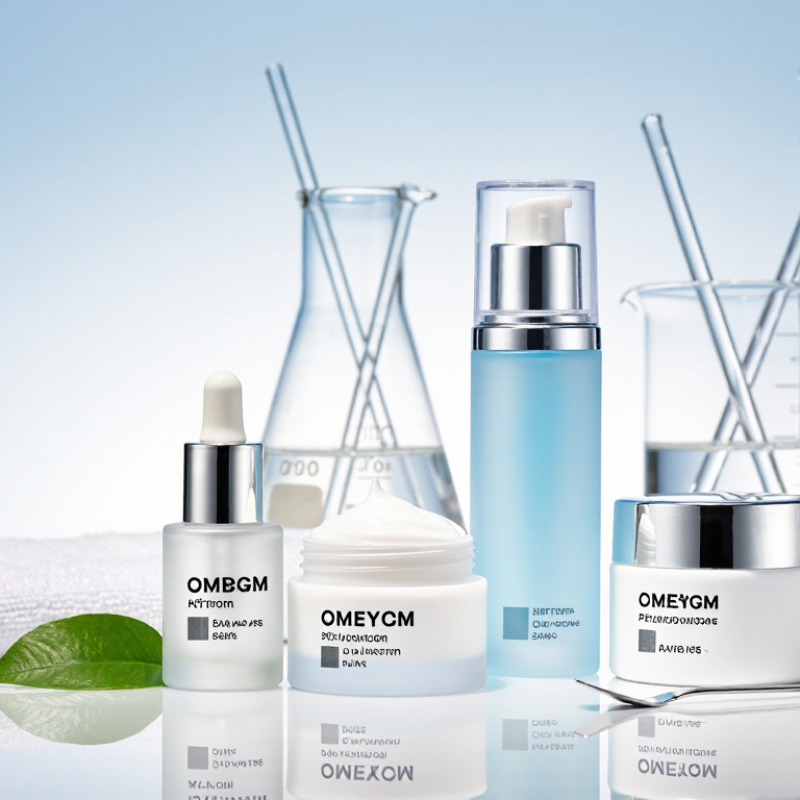
The 2026 market for OEM Anti-Aging Skincare Treatment is becoming more evidence-driven, transparent, and demanding. Brands now expect manufacturers to deliver more than attractive packaging and persuasive claims. They need stable formulas, documented testing, responsible sourcing, and clear production controls. A serum may look luxurious in a glass dropper bottle, yet its performance depends on ingredient compatibility, preservation, air exposure, and storage conditions.

Dermatologist Dr. Leslie Baumann’s practical reminder is simple: “The best anti-aging product is sunscreen.” Her statement keeps product development grounded in skin health rather than exaggerated promises. Reliable OEM partners should therefore understand daily photoprotection, barrier support, hydration, and well-studied ingredients such as retinoids, peptides, niacinamide, and antioxidants. They should also explain concentration limits, testing methods, and realistic consumer expectations.

This overview examines leading 2026 manufacturers through an experience-based and professional lens. It considers formulation capability, quality systems, regulatory awareness, customization, minimum order quantities, packaging support, and communication reliability. Manufacturing details matter. A thick cream can separate after temperature cycling. A lightweight essence can lose its intended texture after preservative adjustments. Small failures become expensive quickly.

No ranking is perfect. Supplier information can change, and marketing language may hide important limitations. Buyers should verify certificates, facility audits, stability data, sample performance, and claim substantiation before signing contracts. The strongest partners do not promise eternal youth. They create consistent, safe, and credible OEM Anti-Aging Skincare Treatment products that can earn consumer trust over time.
2026 Top OEM Anti Aging Skincare Treatment Manufacturers

2026 Anti-Aging Skincare OEM Market: A 6.5% CAGR Industry Overview

The 2026 anti-aging skincare OEM market is projected to grow at a 6.5% CAGR, reflecting demand for measurable, convenient treatments. Grand View Research estimates the global anti-aging market reached approximately USD 40.49 billion in 2023, with continued expansion through 2030. This growth is shaped by retinoid alternatives, peptides, barrier-support ingredients, and personalized routines.

Performance still depends on disciplined manufacturing. Experienced OEM partners should verify raw-material identity, preservative protection, formula stability, and packaging compatibility. Airless pumps can reduce oxidation in sensitive creams. Controlled heat and humidity testing can reveal separation, odor changes, or texture failure before commercial production. Clinical or instrumental testing also helps support claims about wrinkles, firmness, and hydration.

The forecast is useful, but not flawless. A 6.5% CAGR cannot predict every product launch or consumer reaction. Formulators must question trend data and test regional preferences. According to Fortune Business Insights, skincare growth is supported by online retail, premium products, and rising interest in active ingredients. Yet high costs may limit adoption. Reliable OEM selection therefore requires audited facilities, clear batch records, transparent testing, and realistic claim language. Small details matter.

2026 Top OEM Anti Aging Skincare Treatment Manufacturers - 2026 Anti-Aging Skincare OEM Market: A 6.5% CAGR Industry Overview
Industry benchmark table for evaluating anti-aging skincare OEM manufacturing capabilities, formulation scope, compliance readiness, and product development requirements.
Data Dimension Industry Data or Standard OEM Manufacturing Relevance Key Evaluation Criteria
Market Growth Outlook 6.5% CAGR stated in the 2026 market brief Indicates continued demand for treatment-focused facial care, eye care, neck care, and multifunctional anti-aging products. Review forecast period, geographic coverage, market definition, and whether the estimate includes retail, professional, and private-label sales.
Core Product Formats Serums, creams, emulsions, eye treatments, masks, ampoules, and concentrated boosters Different formats require different viscosity, filling, packaging, preservation, and stability controls. Confirm filling range, batch-size flexibility, airless-pack compatibility, dropper or pump filling, and hot- or cold-process capability.
Retinoid Formulations Retinol and retinal are vitamin A derivatives commonly used in cosmetic anti-aging products. These ingredients can be sensitive to light, oxygen, heat, and formulation conditions, making packaging and stability development important. Assess opaque or airless packaging, antioxidant strategy, accelerated stability testing, usage instructions, and regional ingredient restrictions.
Vitamin C Products L-ascorbic acid and stabilized vitamin C derivatives are widely used in brightening and antioxidant skincare formulations. The selected vitamin C form affects pH, solubility, color stability, compatibility, and packaging requirements. Request assay testing, color-change monitoring, packaging compatibility data, and stability results throughout the intended shelf life.
Peptide-Based Treatments Signal peptides, carrier peptides, and other cosmetic peptide technologies are used in appearance-focused formulations. Peptide selection can influence cost, dosage, compatibility, claims substantiation, and formula positioning. Verify raw-material documentation, identity and purity records, recommended use level, stability data, and substantiation for cosmetic claims.
Barrier-Support Ingredients Niacinamide, ceramides, glycerin, panthenol, squalane, and hyaluronic acid are common cosmetic ingredients used in hydration and barrier-support products. These ingredients support moisturizing, comfort, texture, and multifunctional product positioning. Evaluate ingredient compatibility, sensory profile, allergen declaration requirements, formula stability, and finished-product performance testing.
Exfoliating Treatments Alpha hydroxy acids such as glycolic acid and lactic acid are commonly used in cosmetic exfoliating products. Acid concentration, pH, packaging, irritation potential, and regional regulatory requirements must be controlled. Check pH control, raw-material specifications, product safety assessment, usage directions, and market-specific labeling requirements.
Quality Management ISO 22716 provides good manufacturing practice guidance for the production, control, storage, and shipment of cosmetic products. A documented quality system improves batch consistency, traceability, deviation management, and release control. Request quality manuals, batch records, supplier qualification procedures, change-control records, and certificate-of-analysis processes.
Regulatory Readiness Major frameworks include EU Cosmetics Regulation 1223/2009, the United States MoCRA requirements, and China's Cosmetic Supervision and Administration Regulation. Regulatory obligations differ by destination market and may cover product safety, facility registration, responsible-person duties, records, and adverse-event reporting. Confirm regulatory support, product information file preparation, safety assessment cooperation, ingredient review, and label compliance.
Stability Testing Common programs include real-time, accelerated, freeze-thaw, light-exposure, and packaging-compatibility studies. Testing helps assess appearance, odor, pH, viscosity, active-ingredient retention, microbial quality, and package performance. Ask for written protocols, sampling schedules, acceptance criteria, test methods, and final shelf-life justification.
Microbiological Control Finished products require microbiological quality control, with preservation performance assessed where applicable. Water-based creams, gels, serums, and emulsions require robust hygiene, preservation, and contamination-control procedures. Review microbial testing, preservative efficacy or challenge testing, environmental monitoring, water-system controls, and corrective-action procedures.
Packaging Technology Airless pumps, opaque containers, tubes, jars, droppers, and single-dose packaging are used according to formula and consumer-use requirements. Packaging can reduce exposure to air, light, contamination, and repeated hand contact. Assess dosage accuracy, closure integrity, material compatibility, recyclability, decoration options, and minimum order quantities.
Private-Label Development OEM and ODM services may include formula customization, sample development, packaging sourcing, testing coordination, and documentation. Integrated development reduces handoffs between formulation, production, packaging, and compliance activities. Compare development lead time, sample revisions, formula ownership terms, minimum order quantity, production capacity, and export documentation.
Note: The 6.5% CAGR is the market-growth figure stated in the supplied title. Actual market estimates may vary according to the research methodology, forecast period, product scope, sales channel, and geographic coverage.

Key Treatment Technologies: Retinol, Peptides, Growth Factors, and Exosomes

2026 Top OEM Anti Aging Skincare Treatment Manufacturers

Choosing an OEM partner requires more than attractive sample jars. Retinol needs controlled release, light protection, and careful stability testing. A cloudy serum is not a minor detail. It may signal oxidation, separation, or packaging incompatibility. Reliable manufacturers document raw material identity, batch testing, and storage conditions. They should also explain irritation risks and usage guidance clearly.

Peptide formulas benefit from precise dosing and compatible preservatives. Their performance can change when mixed with acids, fragrances, or unsuitable solvents. Growth factor products require strict source control, clean processing, and realistic cosmetic claims. Evidence quality varies widely, so manufacturers should provide test methods instead of promising dramatic results. Small human-use studies can reveal redness, dryness, or poor texture before commercial production.

Exosome-based concepts need even closer review. Suppliers should disclose origin, purification standards, contamination controls, and regional regulatory requirements. A polished presentation cannot replace traceability. In development work, the first formula is rarely the final formula. Texture may feel heavy, or the active may lose strength during transport. Careful reformulation is normal, not a failure. The strongest OEM teams combine laboratory expertise with transparent communication, documented quality systems, and practical packaging trials.

How to Evaluate OEM Manufacturers by ISO 22716 and GMP Compliance

2026 Top OEM Anti Aging Skincare Treatment Manufacturers

How to Evaluate OEM Manufacturers by ISO 22716 and GMP Compliance

When assessing an anti-aging skincare OEM, ISO 22716 certification is a useful starting point, not final proof. This standard covers cosmetic manufacturing practices, including hygiene, production controls, storage, and traceability. Ask to see the certificate, scope, issuing body, and expiration date. Records should match the actual factory site. A certificate for another location is a warning sign.

People matter.

Review training files for operators handling retinol alternatives, peptides, acids, or sensitive botanical extracts. Check whether staff follow written cleaning procedures and wear suitable protective equipment. GMP compliance should also appear in batch records, raw material approvals, equipment calibration, and finished-product testing. Look for documented deviation investigations and corrective actions. A reliable manufacturer can explain what happened, why it happened, and how recurrence is prevented.

During an audit, request a sample batch record with confidential details removed. Follow one ingredient from supplier approval to warehouse receipt, production, filling, and release. Confirm that stability testing uses the intended packaging and storage conditions. Claims such as “reduces wrinkles” need suitable evidence and careful wording. I have learned that polished documents can hide weak daily habits. That weakness deserves attention. Short interviews with line workers may reveal more than a presentation. Ask how they handle a failed viscosity result, damaged packaging, or an unexpected odor. Clear answers, consistent records, and visible cleanliness provide stronger confidence than impressive promises.

Product Safety Benchmarks Under EU Cosmetics Regulation and U.S. MoCRA

2026 Top OEM Anti Aging Skincare Treatment Manufacturers

The European market exceeded €100 billion in 2023 retail sales, according to Cosmetics Europe’s market report. This scale increases scrutiny of every anti-aging formula. Under Regulation (EC) No 1223/2009, an OEM manufacturer needs a documented safety assessment, Product Information File, and EU Responsible Person. Products must also be notified through the Cosmetic Products Notification Portal before sale. Claims should match evidence, not attractive laboratory language.

MoCRA raises the U.S. compliance threshold. FDA guidance requires cosmetic facility registration and product listing, with facility renewals every two years. Serious adverse events must reach FDA within 15 business days. Manufacturers should retain safety substantiation, batch records, complaint investigations, and supplier qualification files. A peptide serum may look simple, yet its preservative system, packaging contact, and eye-area instructions need separate review.

Testing should follow relevant methods, including microbiological controls and stability checks under ISO 22716-based quality practices. Euromonitor International’s 2024 beauty analysis places global beauty and personal care sales above 600 billion dollars, making traceability commercially important. Still, compliance files can contain gaps. A supplier certificate may be current, but raw-material changes can quietly invalidate earlier assessments. OEM selection should therefore include mock recalls, adverse-event drills, and independent document audits. Relying only on a finished-product test is a weak assumption.

OEM Selection Criteria: Formulation, Clinical Testing, MOQ, and Scalability

Selecting an OEM anti-aging skincare manufacturer in 2026 requires more than a polished product catalogue. Ask for the formulator’s qualifications, ingredient rationale, and complete INCI documentation. A strong formula balances peptides, antioxidants, moisturizers, and skin tolerance. Request stability data at room and elevated temperatures. Check packaging compatibility, odor changes, viscosity, and color drift. Small details expose weak development work.

Clinical testing should match the product’s intended claims. Look for controlled human-use studies, defined participant numbers, test duration, and measurable endpoints. Instrument readings may assess hydration or wrinkle appearance, while dermatologist grading adds useful context. Do not accept “clinically tested” without the protocol and report. Evidence is rarely perfect. That is worth admitting. Claims should also follow applicable cosmetic regulations in the target market.

MOQ must fit cash flow, launch testing, and future demand. A low opening MOQ may hide higher unit costs or limited customization. Ask whether pilot batches use the same equipment and raw materials as commercial production. For scalability, review filling capacity, batch records, quality release procedures, and backup suppliers. Request a production sample before signing a large order. A reliable partner explains delays plainly and documents every change. That behavior matters.

2026 Top OEM Anti-Aging Skincare Treatment Manufacturers

OEM Selection Criteria: Formulation, Clinical Testing, MOQ, and Scalability

This planning benchmark assigns a 100-point evaluation model to the main OEM selection factors. Formulation capability and clinical testing receive the highest weights because they directly influence product performance, safety substantiation, and market readiness. MOQ and scalability are included to reflect commercial launch flexibility and long-term production capacity.

FAQS

Why is ISO 22716 certification important when evaluating an OEM manufacturer?

It covers hygiene, production controls, storage, and traceability. Ask for the certificate, scope, issuer, and expiration date. Confirm it covers the actual factory site. Certification alone is not final proof.

What should an audit reveal about factory employees?

Review training records for staff handling peptides, acids, botanical extracts, or retinol alternatives. Check cleaning procedures and protective equipment. Ask workers how they handle failed viscosity results or damaged packaging. People matter.

Which production records should an OEM manufacturer provide?

Request a sample batch record with confidential details removed. Follow one ingredient from supplier approval to final release. Check raw-material approval, equipment calibration, testing, and deviation investigations. Clear records matter.

How can product safety be assessed for different markets?

Confirm documented safety assessments, product files, responsible parties, and required product notifications. Review adverse-event procedures and complaint investigations. Requirements differ by market. A single finished-product test is not enough.

What evidence supports anti-aging skincare claims?

Ask for the study protocol, participant number, testing period, and measurable results. Hydration readings and dermatologist evaluations can support careful claims. “Clinically tested” needs supporting documents. Evidence is rarely perfect.

How should formula stability and packaging compatibility be checked?

Request stability data at room and elevated temperatures. Examine odor, color, viscosity, and packaging changes. Test the formula in its intended container. Small details matter.

What should buyers examine when comparing minimum order quantities?

Match the minimum order quantity with cash flow, launch testing, and expected demand. Ask about unit costs and customization limits. A low opening quantity may hide higher costs. Not always simple.

How can an OEM manufacturer prove production scalability?

Ask whether pilot batches use commercial equipment and identical raw materials. Review filling capacity, quality release procedures, and backup suppliers. Request a production sample before a large order. Delays should be explained plainly.

Why are mock recalls and independent audits useful?

They test whether records support fast ingredient and batch tracing. Independent reviews may reveal gaps that polished files hide. A supplier certificate can remain current while raw-material changes affect earlier assessments. I would not rely on appearances.

Conclusion

The 2026 anti-aging skincare OEM market is projected to grow at a 6.5% CAGR, driven by increasing demand for effective, science-based treatment products. This overview explores key formulation technologies, including retinol, peptides, growth factors, and exosomes, while emphasizing the importance of product stability, skin compatibility, and responsible claims. An experienced OEM Anti-Aging Skincare Treatment manufacturer should be able to develop customized formulas that meet target market requirements and support consistent product quality.

When evaluating potential manufacturing partners, buyers should review ISO 22716 and GMP compliance, quality control systems, ingredient traceability, and production hygiene. Products must also align with safety and labeling expectations under the EU Cosmetics Regulation and the U.S. MoCRA framework. Other essential selection factors include formulation expertise, clinical and safety testing capabilities, minimum order quantities, packaging support, manufacturing flexibility, and scalability for future market expansion.


Amelia

Amelia

Amelia is a dedicated marketing professional with a strong understanding of product strategy, customer needs, and digital communication. As a regular contributor to the company’s professional blog, she shares practical insights, industry perspectives, and clear guidance designed to help readers......